The Helios 44 Lens
A lens that has become my favorite one over the past year is the Helios 44. It's a 58mm F2 full manual lens and is best known for it swirly bokeh. The lens is based on the Carl Zeiss Jena Biotar 2/58 it's essentially copy/clone of the optical design after the second world war. Since I don't own the Carl Zeiss Jena lens I can't compare them but the Internet says the Carl Zeiss Jena lens generally produces better image quality with better contrast. The Helios is one of the most produced lenses ever. It was produced from 1950 till 1990. I won't write down all its history and the technical details of the lens, if you want to check them out you can find them on camerapedia, vintage camera lenses or the Russian original.
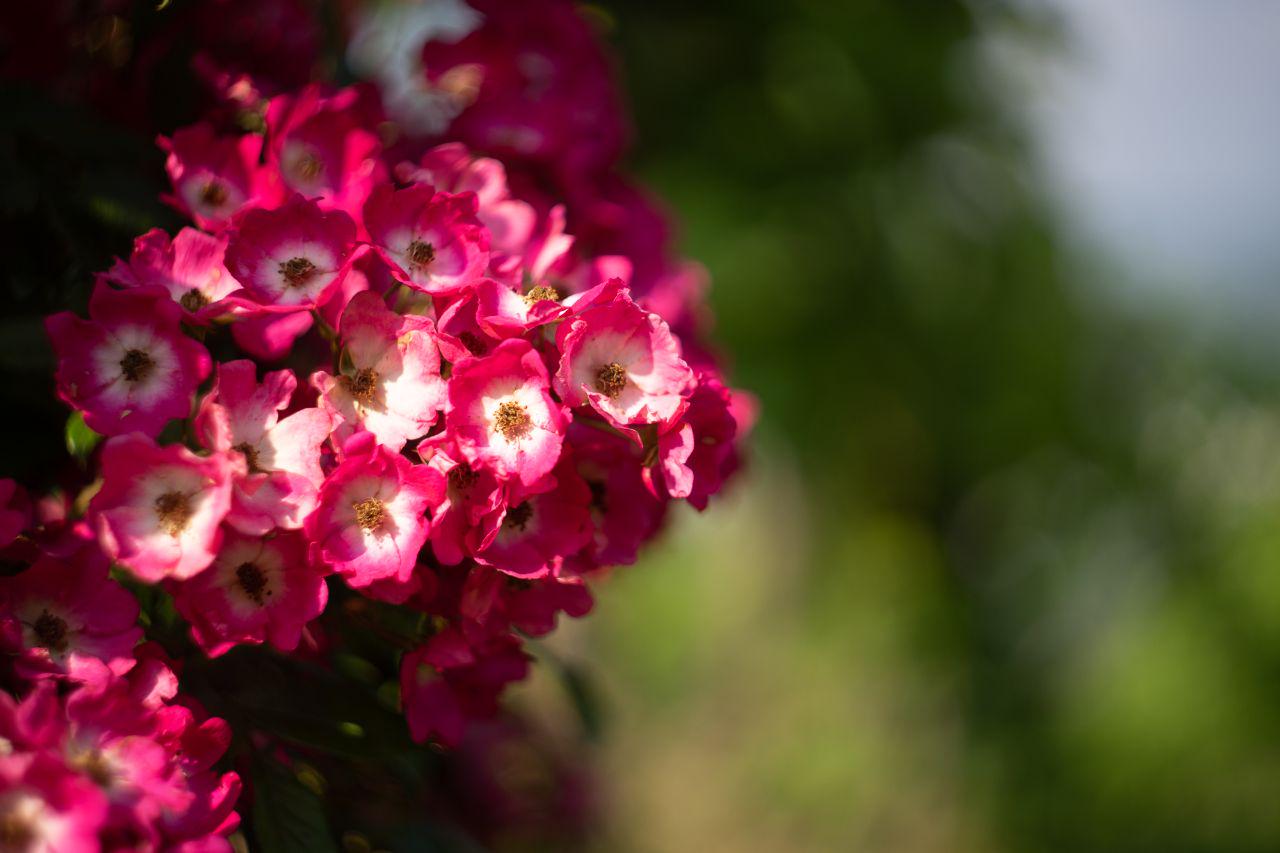
The Helios is pretty easy to find on Ebay or other marketplaces since it was produced so much. The prices for the lens are usually cheap, I got mine for 34€, though they increased a bit in last year. There is offerings for like new lenses which were opened and cleaned but as long as your copy of the lens has no fungus you should be fine. If you want clean it yourself the lens is simple to (dis)assemble anyway.
I own a Helios 44-2 which is the M42 screw mount version of the lens. The first thing I found strange was how the aperture works. The aperture is controlled with two rings instead of one. The upper ring allows you to set the aperture opening you want and then a second ring below allows you to actually open and close the aperture up to the value you set with the upper one. Sounds a bit complicated when written but in practice you get used to is easily. The aperture ring is clickless, you can dial any value that you like or do smooth aperture pulls in video. The ring that moves the aperture isn't damped so getting smooth pulls requires some training. If you get a 44M is has a classical clicking aperture ring.
I got my lens about three years ago mainly because it was cheap and I wanted to play around with a bight somewhat telephoto lens on my Sony A68. The A68 is a APS-C camera that means the lens is roughly 90mm in focal length. I quickly discovered that 90mm isn't really interesting to me. On APS-C it was hard to get a the swirliness of the bokeh to show, you had get a in very specific sweet spot between focus distance and object to background separation. The lens quickly disappeared in my camera bag and was rarely used.
About a year ago this quickly changed. Two years ago I bought a full frame mirrorless Sony A7, yes that first A7 not the MK2 or MK3, the one with crappy autofocus. I didn't touch the Helios much for the first year because I almost forgot about it and I hat no M42 screw mount adapter for the camera anyway. At some point I decided get one again because I remembered that I had the Helios. At that time I was missing a full frame lens between 35mm and 70mm. Since I never really liked the look of 50mm or 35mm on APC, I have always been in love with 35mm, I decided instead of buying something new or used native to E-mount to get the adapter.
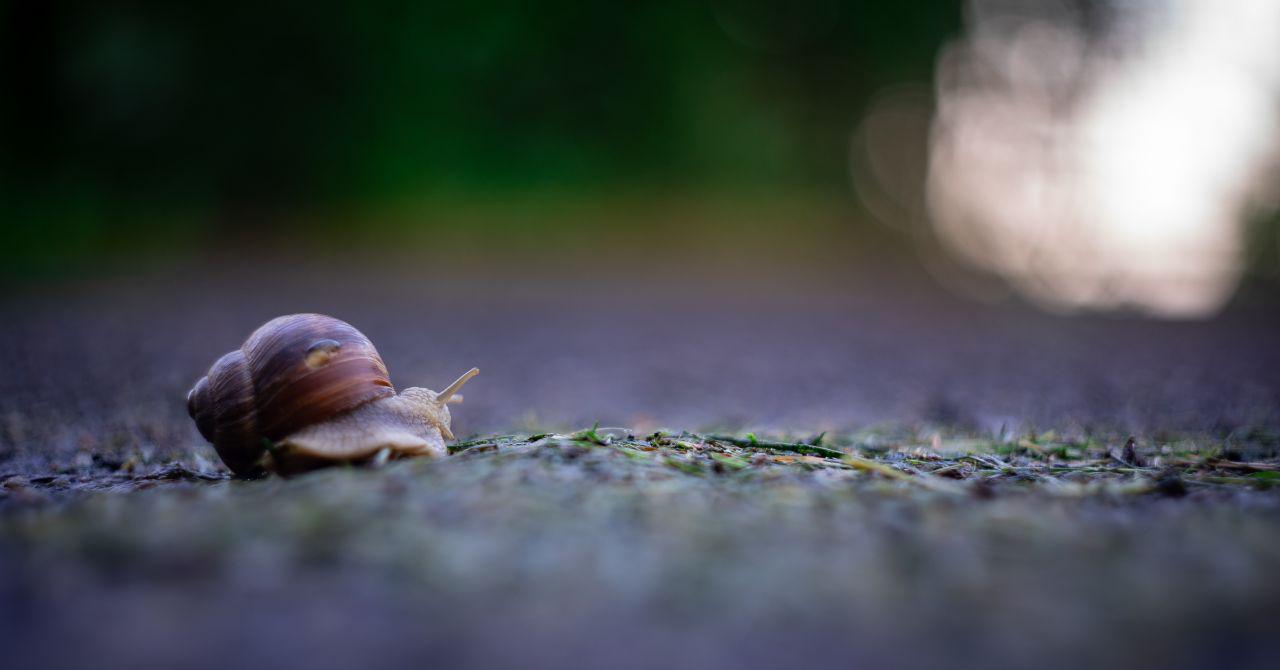
Since then I used the lens a lot. I like the 58mm look a lot, it's a bit more zoomed in that the usual nifty fifty. Of course the lens isn't a modern optical design, it flares a lot, its contrast and sharpness wide open aren't amazing and the micro contrast always remain low when compared with modern lenses like the Sony 24-105mm F4, which is a sharpness and micro contrast beast even “wide” open.
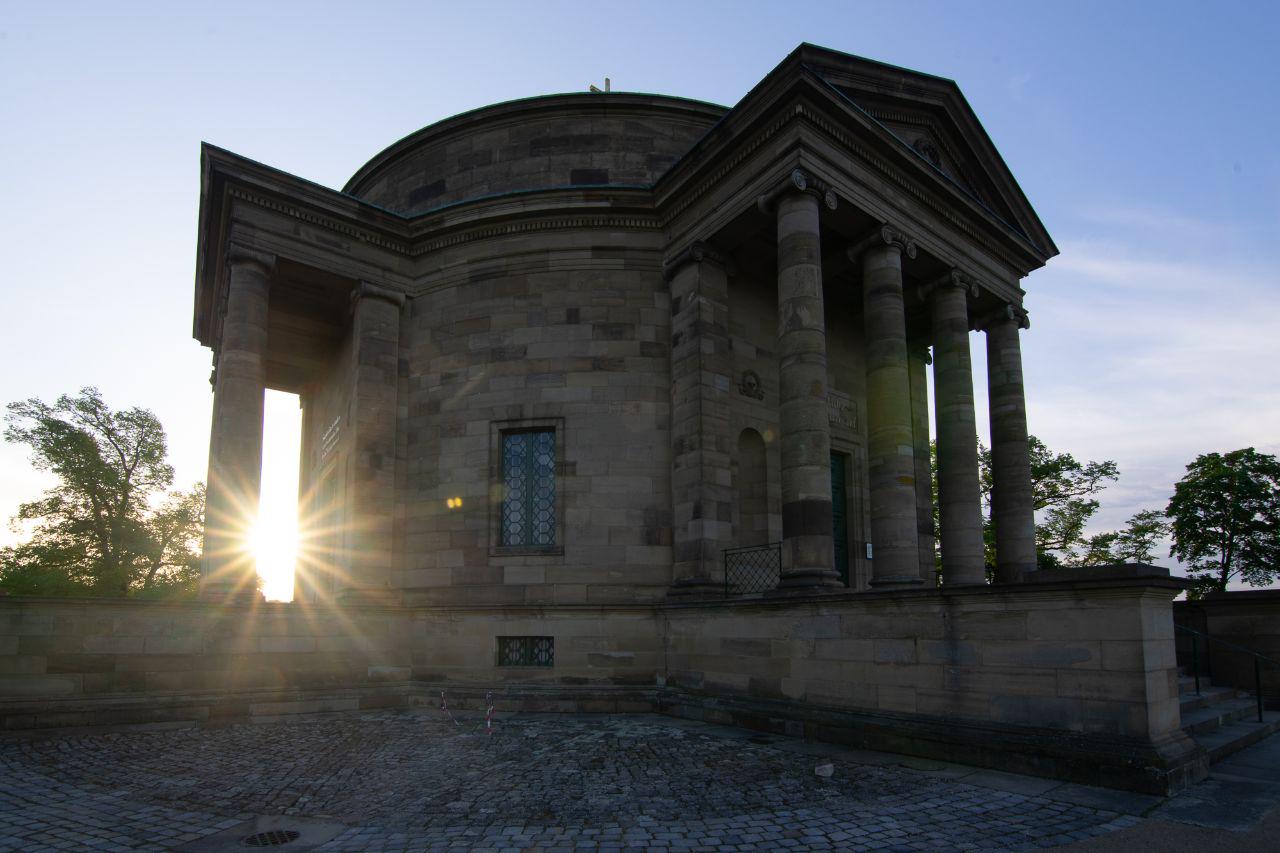
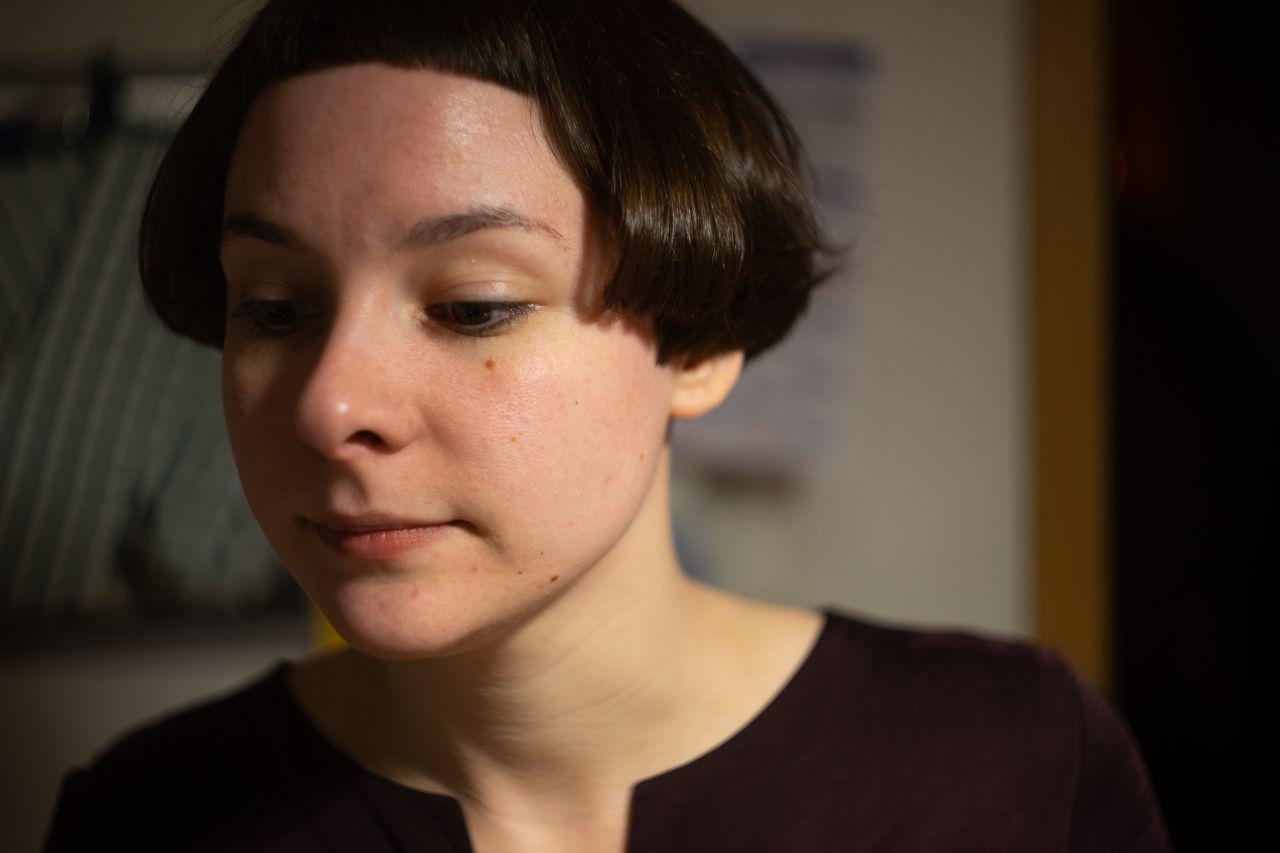
The Helios has its own personality, it's not a tool that will allow you to reliably reproduce pictures under similar condition and it requires to get used to its flaws. But the lens produces vivid colors and usually sharp enough pictures especially for portraits.
Since I do cooking stream a lot lately I use the Helios for taking pictures of the food I cook. The focal length and minimum focus distance are good enough for my kitchen and since it's F2 I can throw in somewhat bokeh easily. Sharpness and contrast aren't to much of a concern here because the pictures aren't used at full resolution anyway.





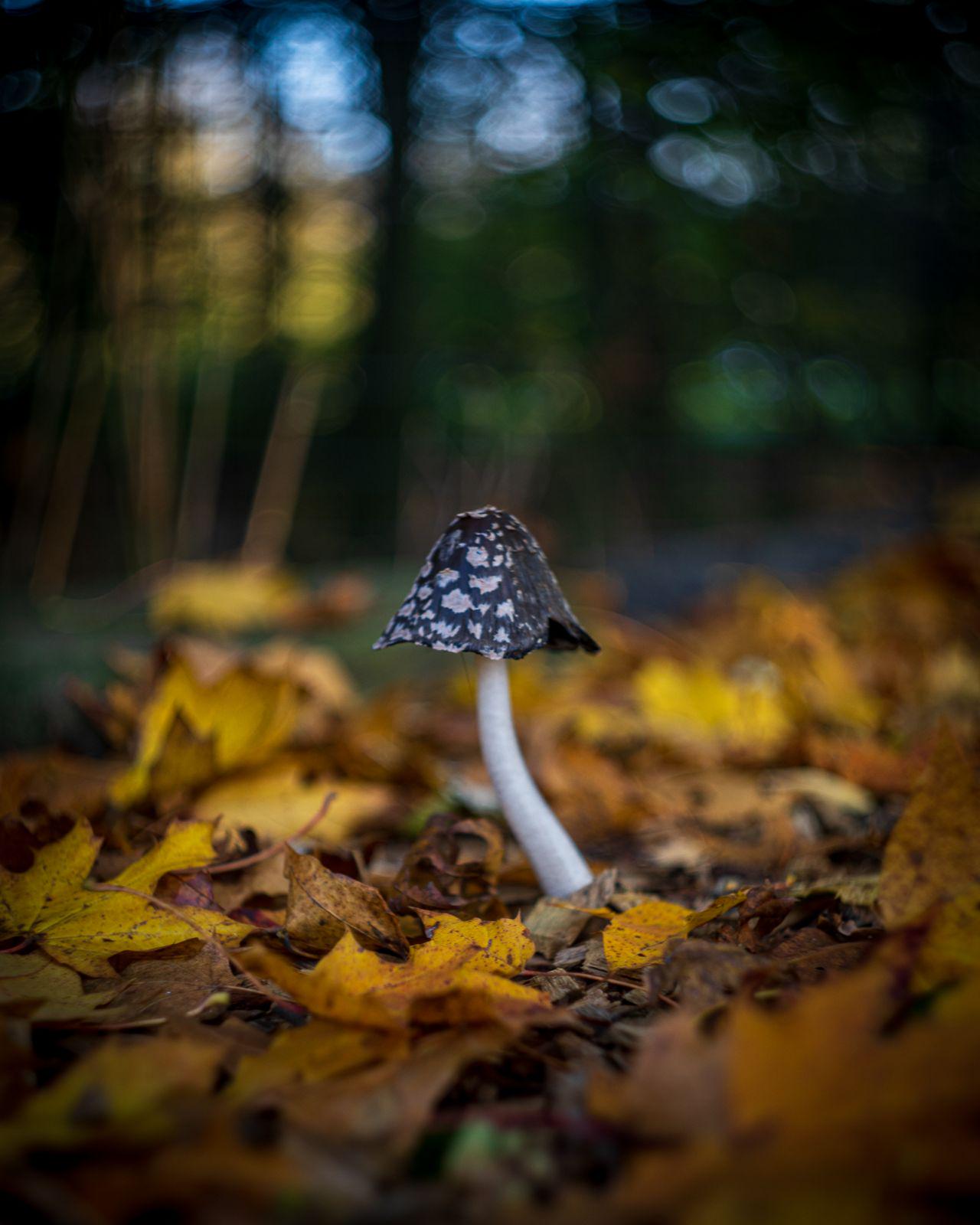
Apart from the food use case, the Helios is right now the default lens on A7 when I just take the camera with me. Sure it's not as versatile as the 24-105 F4 Sony but it also doesn't come with same heft to it as the Sony one. One of my favorite picture, a portrait of a mushroom, was taken with the Helios:
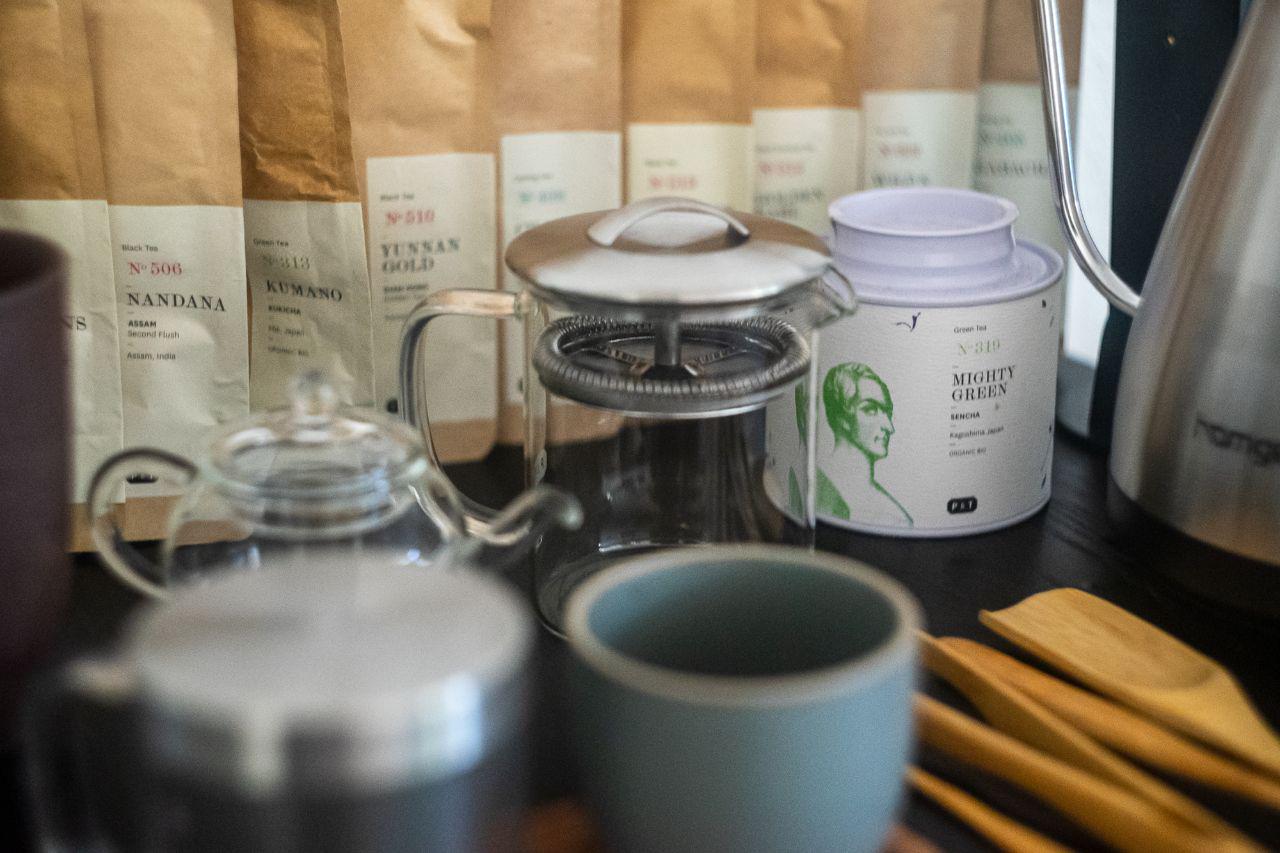
The lens pairs nice with still life pictures like these from my tea corner.
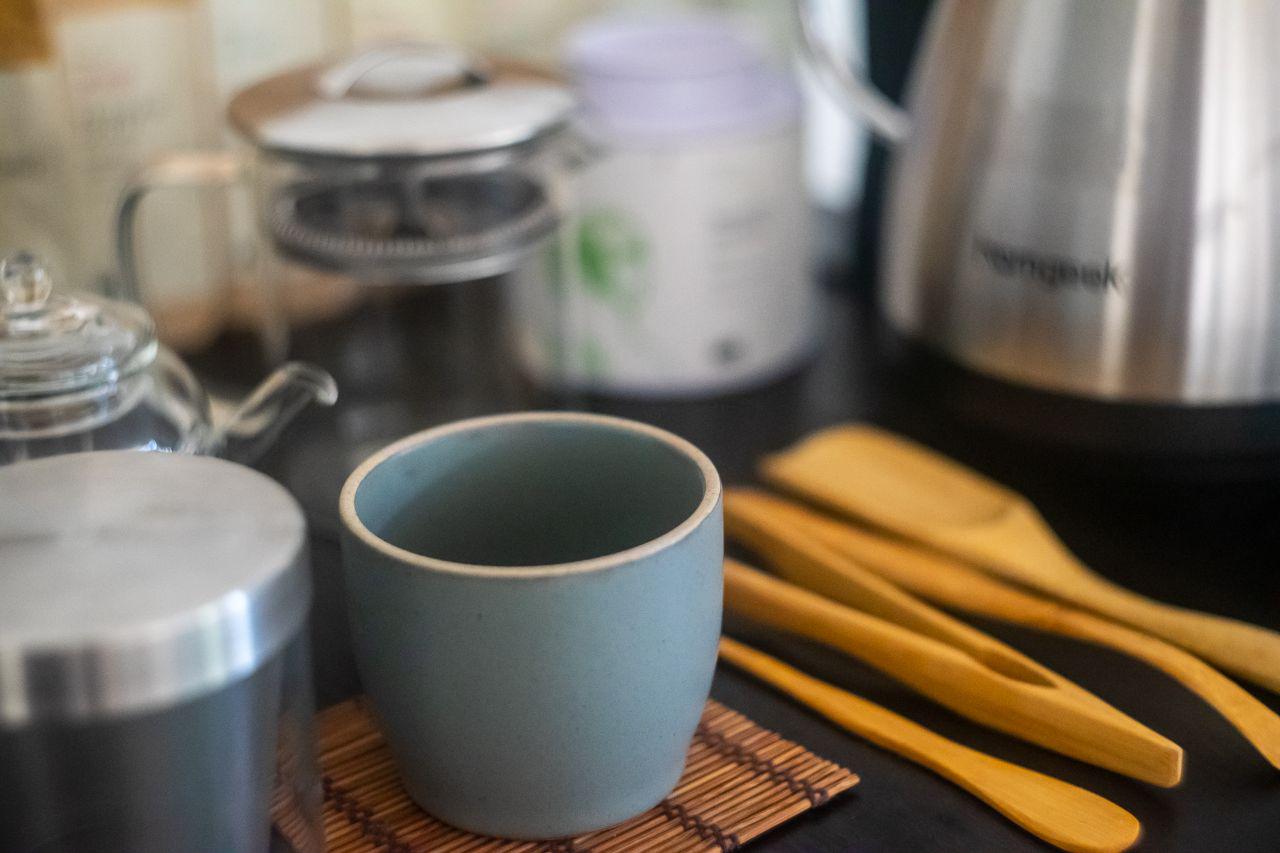
All in all I really came to like the lens and the focal length. It seems like modern lenses don't cover the around 60mm focal length, the closest for Sony is the Sony 55mm F 1.8 ZA which I might give a try. It might be that there is no real difference between 50mm and 60mm and I just tricked myself in to liking “standard” lenses because it's not so much standard. What about you, do you have weird focal length or vintage lens you like a lot? Feel free to drop me a tweet or a mail (see below).
You want to join the conversation? Drop me a tweet @dumdidum or email me at kolja@hey.com